


Urban Geography: Understanding the City
Urban geography is the study of cities, towns and the people, systems and landscapes that shape them. It asks a deceptively simple question: Why do cities look and function the way they do?
Cities are not simply collections of buildings. They are complex systems where housing, transport, employment, culture, politics and the natural environment constantly interact.
One of the key ideas in urban geography is land use. Different parts of a city tend to develop different functions. A central business district might contain offices, shops and transport hubs, while residential neighbourhoods spread outwards. Industrial areas may be concentrated around major roads, railways or waterways. However, these patterns are rarely fixed. Former industrial areas can become desirable residential districts, while shopping centres can decline as online retail changes how people use urban space.
Urban geographers also examine inequality. Access to good housing, green space, education, employment and public transport can vary dramatically between neighbourhoods. Property prices and investment can push lower-income residents towards the edges of cities, while wealthier areas attract further development. This can contribute to social segregation, where different groups become increasingly separated geographically.
Another important concept is gentrification. This occurs when investment and wealthier residents move into an area that has historically been less affluent. New cafés, restaurants, housing and businesses may bring investment and improve the physical environment. At the same time, rising rents and property prices can make it difficult for existing residents and independent businesses to remain.
Urban geography is also increasingly concerned w
ith sustainability. Cities consume huge amounts of energy and resources, while producing significant levels of waste and pollution. Urban planners therefore have to consider questions such as how to provide affordable housing, reduce car dependency, protect biodiversity and create accessible green spaces.
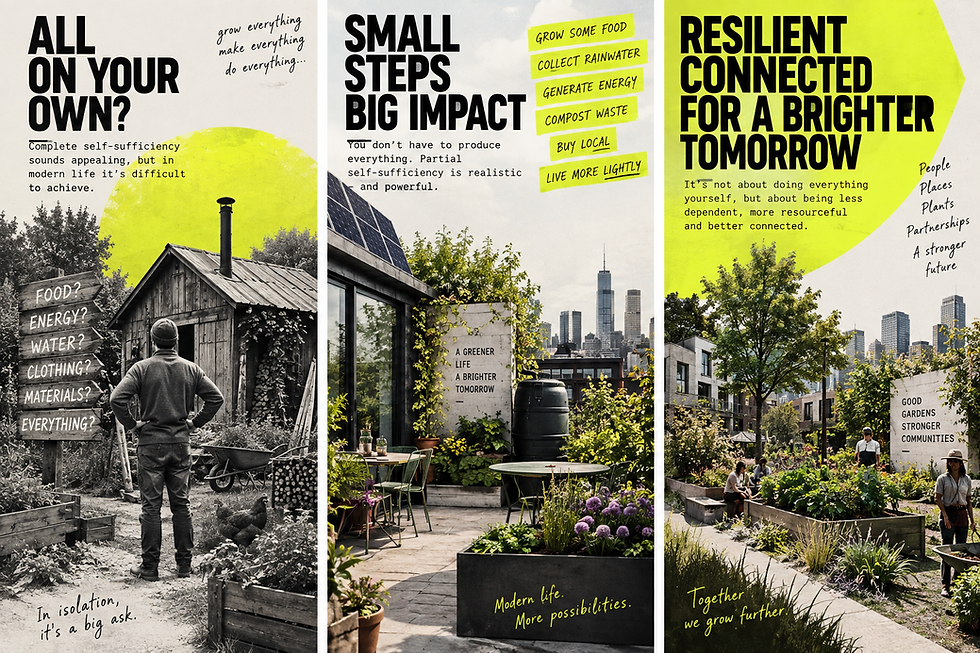
Climate change has made these questions even more urgent. Urban heat islands, flooding and air pollution can disproportionately affect particular neighbourhoods. Green infrastructure, such as parks, street trees, green roofs and sustainable drainage, can help cities become more resilient.
Ultimately, urban geography shows that cities are constantly changing. Their physical form reflects economic forces, political decisions, cultural values and the everyday behaviour of millions of people.
Understanding urban geography therefore means looking beyond individual buildings and asking a bigger question: who is the city designed for, who benefits from it, and how could it work differently?


Comments