


From Waste Ground to Food Forest: The Story of Khayelitsha's Community Garden


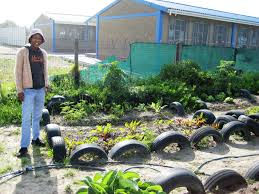
In the heart of Khayelitsha, one of South Africa's largest townships, a neglected piece of land has been transformed into a thriving food forest and community hub. Created by the Ujamaa Guerrilla Gardening Collective in 2016, the project demonstrates how community-led gardening can tackle food insecurity, improve local environments, and strengthen social connections.
The collective began by clearing rubbish from an unused public space and gradually turned it into a productive garden filled with vegetables, fruit trees, herbs, and indigenous plants. Their aim was simple: create a shared space where residents could grow and access fresh food while learning valuable gardening skills.
The name Ujamaa, a Swahili word meaning community and cooperation, reflects the garden's philosophy. The space is open to everyone, encouraging local people to participate, share knowledge, and support one another through food production.
Growing food in Khayelitsha presents significant challenges. Sandy soils, limited rainfall, and increasing drought pressures make cultivation difficult. To overcome these obstacles, the gardeners use composting, rainwater harvesting, and climate-appropriate planting techniques to improve soil health and conserve water.
The garden's impact extends far beyond food production. It serves as an educational space where children and adults learn about sustainability, healthy eating, and environmental stewardship. It also provides a place for people to connect, share skills, and build a stronger sense of community.
As climate change and food insecurity become growing concerns worldwide, the Khayelitsha Food Forest offers an inspiring example of what can be achieved through grassroots action. By transforming neglected land into a productive green space, the project shows how communities can create resilience, restore biodiversity, and grow hope for the future—one seed at a time.

Comments